
Porcellio scaber, commonly known as the rough woodlouse, is a hardy terrestrial isopod valued in bioactive terrariums and vivariums for its role as a detritivore. Its textured exoskeleton and adaptability make it one of the most commonly kept isopods in captivity.
Out of Stock
Porcellio scaber, commonly known as the rough woodlouse, is a hardy terrestrial isopod valued in bioactive terrariums and vivariums for its role as a detritivore. Its textured exoskeleton and adaptability make it one of the most commonly kept isopods in captivity.
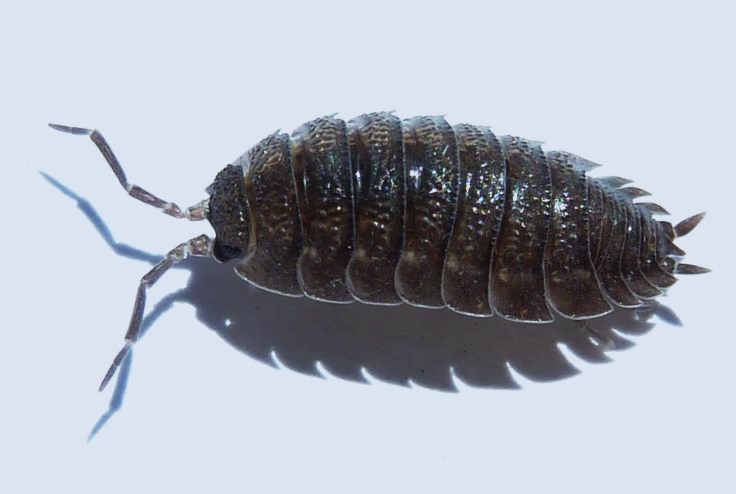
Oval-shaped, segmented body with a rough-textured exoskeleton; gray to brown in coloration, sometimes with mottled patterns. Adults grow up to 18 mm in length.
2–3 years (in captivity with proper care)
Detritivore; feeds on decaying organic matter, leaf litter, rotting wood, vegetables, and supplemental calcium sources.
Porcellio scaber is an excellent choice for bioactive enclosures and educational setups. Their resilience, ease of care, and role as natural recyclers make them valuable additions to terrariums and isopod collections.
Easy – very hardy and adaptable, making them a beginner-friendly isopod.
2–5 gallons (for a starter colony)
Neutral to slightly acidic substrate preferred
Not applicable (terrestrial species, but calcium supplementation required for exoskeleton health)
65–75°F (18–24°C)
Up to 18 mm (0.7 inches)
Compatible with springtails, other non-predatory isopods, and in bioactive setups with reptiles or amphibians that tolerate their presence.
Predatory invertebrates, large aggressive reptiles or amphibians that may eat them, or dry-arid setups with low humidity.
Porcellio scaber
Porcellionidae
Europe (now cosmopolitan, found worldwide)
Highly social; lives in colonies and thrives in groups. Requires leaf litter and hides for natural behavior.
Offer decaying leaves, rotting wood, vegetables (such as cucumber, zucchini, or carrot), fish flakes, and cuttlebone or eggshell for calcium. Feed sparingly to prevent mold outbreaks.
Females carry eggs in a marsupium (brood pouch) until hatching; young resemble miniature adults and grow through molting.
Provide moist substrate with plenty of leaf litter, decaying wood, and calcium. Females brood eggs in a pouch for several weeks. Juveniles hatch fully formed and grow through successive molts.
Humidity: 70–90%, Temperature: 65–75°F (18–24°C), Substrate: Moist but well-drained with dry areas for balance.
Drought stress from low humidity, unsuccessful molts if calcium is lacking, predation by tank mates.
Docile, non-aggressive; primarily focused on scavenging and burrowing.
Active scavengers, often hiding under leaf litter, bark, or stones. Primarily nocturnal but will emerge during the day in humid conditions.
Porcellio scaber originates from Europe but is now widespread across the world. It thrives in moist, humid environments with plenty of organic matter. Known for its rough-textured exoskeleton, this species plays an important role in ecosystems by breaking down decaying plant material. In captivity, it is often used in bioactive terrariums as a clean-up crew. Breeding occurs readily when humidity, food, and hiding places are sufficient. They prefer substrates rich in decaying leaves, wood, and calcium to support healthy molting.