
The Clown Pleco (Panaqolus maccus) is a small, peaceful freshwater catfish prized for its striking striped patterns and algae-eating abilities. Ideal for community aquariums, it is popular among aquarists due to its small size and low bioload.
Out of Stock
The Clown Pleco (Panaqolus maccus) is a small, peaceful freshwater catfish prized for its striking striped patterns and algae-eating abilities. Ideal for community aquariums, it is popular among aquarists due to its small size and low bioload.
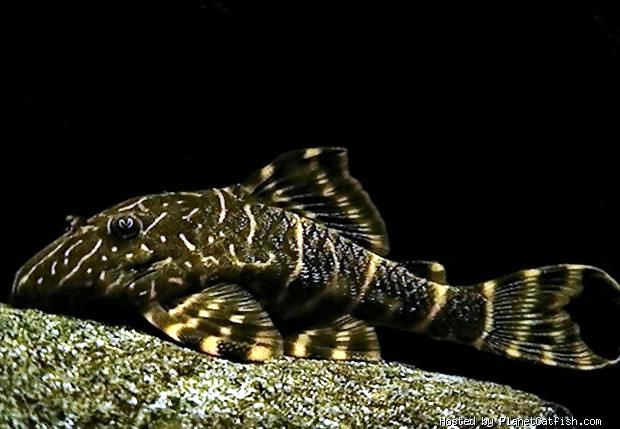
Small, compact body with a flattened underside and a sucker mouth. Striking black and tan or black and brown stripes across the body. Adults reach 3–4 inches. Males develop slightly broader heads and more pronounced odontodes (small bristles) on their fins during breeding.
8–12 years with proper care
Omnivorous wood-grazer; primarily consumes driftwood and biofilm. Supplement with sinking algae wafers, blanched vegetables (zucchini, cucumber, spinach), and occasional protein foods such as bloodworms or brine shrimp.
The Clown Pleco is perfect for aquarists looking for a small, visually striking, and peaceful algae eater. Its manageable size, unique patterns, and wood-grazing behavior make it both attractive and functional in community aquariums. Providing caves, driftwood, and a balanced diet ensures a healthy and active fish.
Easy to Moderate – hardy dwarf species suitable for beginner and intermediate aquarists.
20 gallons (larger preferred for multiple individuals or community tanks)
6.5 to 7.5
5–15 dGH
74–82°F (23–28°C)
3–4 inches
Peaceful tetras, rasboras, dwarf gouramis, danios, corydoras, and small community fish. Avoid aggressive or very large species.
Large aggressive fish or overly boisterous tankmates that may stress the pleco. Avoid overcrowded tanks.
Panaqolus maccus
Loricariidae
South America – Venezuela; found in slow-moving rivers with driftwood and leaf litter.
Semi-solitary; peaceful toward other species. Males can be territorial during breeding but generally coexist well in community aquariums.
Feed primarily on driftwood and algae wafers. Supplement with blanched vegetables like zucchini, cucumber, and spinach. Occasional protein-rich foods such as bloodworms or brine shrimp can be offered a few times per week.
pH: 6.5–7.5, Temperature: 74–82°F (23–28°C), Hardness: 5–15 dGH, Ammonia/Nitrite: 0 ppm, Nitrate: <20 ppm
Generally hardy; may suffer from ich or fungal infections if water quality is poor. Sensitive to sudden changes in water parameters.
Peaceful and nocturnal; spends most of the day hiding in caves or driftwood and becomes more active at night. Compatible with most small to medium-sized community fish. Avoid aggressive or overly boisterous tankmates.
The Clown Pleco (Panaqolus maccus) is a dwarf pleco native to Venezuelan rivers. It remains small, reaching 3–4 inches as an adult, making it ideal for 20–40 gallon aquariums. Known for its distinct black-and-brown or black-and-tan striped pattern, the Clown Pleco grazes on driftwood and algae, helping keep tanks clean. It is hardy, adaptable, and peaceful, making it an excellent choice for planted and community aquariums. The species is nocturnal and prefers hiding spots such as caves, driftwood, or rocks. Providing natural décor and a varied diet ensures their long-term health and activity.