
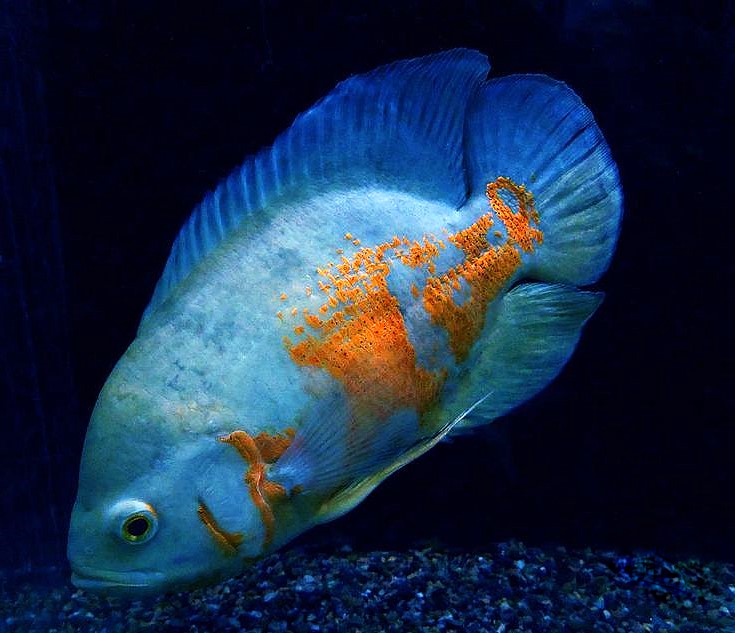
The Blue Oscar is a selectively bred variant of the Oscar fish, displaying metallic blue, turquoise, and iridescent shades across its body. Known for its unique coloration, intelligence, and bold personality, the Blue Oscar makes a captivating centerpiece for large aquariums.
Out of Stock
The Blue Oscar is a selectively bred variant of the Oscar fish, displaying metallic blue, turquoise, and iridescent shades across its body. Known for its unique coloration, intelligence, and bold personality, the Blue Oscar makes a captivating centerpiece for large aquariums.
Blue Oscars showcase shimmering hues of metallic blue, turquoise, and teal, sometimes combined with darker base shades or light marbling. Their oval body, thick lips, and fluid swimming style make them stand out as a centerpiece species.
10–15 years
Omnivorous; thrives on high-quality cichlid pellets, live or frozen foods (shrimp, worms, insects), and occasional vegetables.
Blue Oscars are a rare and stunning morph that adds a dazzling splash of color to any large aquarium. They combine beauty, intelligence, and personality but demand significant space, strong filtration, and dedicated care. For aquarists willing to meet their needs, Blue Oscars are an unforgettable centerpiece.
Intermediate to Advanced
75 gallons (125+ for pairs)
6.0–7.5
5–20 dGH
74–81°F (23–27°C)
12–14 inches
Large cichlids (Severum, Green Terror, Jack Dempsey), Silver Dollars, large Plecos, Bichirs.
Small fish (tetras, guppies), shrimps, snails, or delicate species easily stressed by large cichlids.
Astronotus ocellatus (Blue variety)
Cichlidae
Amazon Basin, South America (selectively bred morph)
Semi-aggressive; territorial but human-friendly.
Feed 1–2 times daily with quality cichlid pellets. Supplement with frozen shrimp, worms, and insects for variety.
Egg layer; pairs clean surfaces to lay eggs, which both parents aggressively guard.
Breeding Blue Oscars is similar to other Oscar varieties. They form monogamous pairs, spawning on flat surfaces like rocks or driftwood. The female lays hundreds of eggs, which hatch in 2–3 days. Both parents guard the fry, which can be fed baby brine shrimp and crushed flakes after becoming free-swimming.
pH: 6.0–7.5, Temperature: 74–81°F, Hardness: 5–20 dGH, Ammonia/Nitrite: 0 ppm, Nitrate: <20 ppm
Hole-in-the-head disease, ich, fin rot, and obesity. Prevent with varied diet, clean water, and regular maintenance.
Semi-aggressive; territorial but generally peaceful with other large, robust tank mates.
Blue Oscars are curious, intelligent, and social with humans. They beg for food, often interact with owners, and rearrange aquarium decorations. While semi-aggressive, they can sometimes coexist with other large, durable fish in spacious setups.
Blue Oscars are an eye-catching morph of Astronotus ocellatus, featuring iridescent blue shades that shimmer under aquarium lighting. Like all Oscars, they are native to South America’s river basins but have been selectively bred in captivity for their rare coloration. They are large, powerful fish requiring a minimum of 75 gallons per individual, with strong filtration and regular water changes. Blue Oscars are highly interactive with their owners, often displaying unique personalities. They are intelligent enough to learn feeding schedules, recognize people, and even accept hand-feeding. Their strong jaws and tendency to dig require aquariums with sturdy setups, as they will often rearrange décor. Although semi-aggressive, they can coexist with similarly sized robust fish when housed in spacious tanks.