
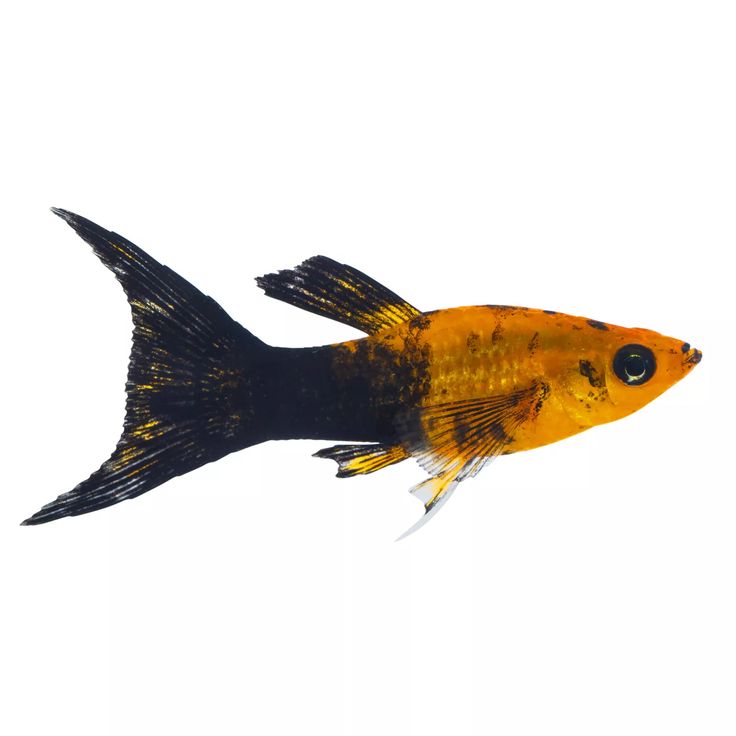
A unique lyretail molly with a black-and-white 'panda' coloration. Peaceful, hardy, and visually striking, it adds elegance and activity to community aquariums.
Out of Stock
A unique lyretail molly with a black-and-white 'panda' coloration. Peaceful, hardy, and visually striking, it adds elegance and activity to community aquariums.
Body with a predominantly white or silver base and irregular black patches resembling a panda pattern. Lyre-shaped tail with elongated upper and lower lobes. Males are slimmer with more pronounced fins; females are rounder with shorter fins.
3-5 years
Omnivorous; high-quality flakes or pellets as staple, supplemented with algae wafers, spirulina, blanched vegetables (spinach, zucchini), and occasional live/frozen foods such as brine shrimp or daphnia.
Panda Lyretail Mollies are an elegant, hardy, and visually captivating fish. Their black-and-white coloration combined with the flowing lyre tail makes them a standout in community tanks, ideal for both beginner and experienced hobbyists.
Beginner to Intermediate; requires stable water conditions and gentle tankmates to protect long fins.
20 gallons
7.0 to 8.5
10–30 dGH
72–82°F (22–28°C)
3–4.5 inches
Guppies, Platies, Swordtails, Corydoras, peaceful Tetras, Danios, Nerite Snails.
Large aggressive cichlids, fin-nippers (e.g., tiger barbs), and predatory species.
Poecilia sphenops (Lyretail Molly variety)
Poeciliidae
Captive-bred variety derived from Poecilia sphenops and lyretail breeding lines.
Peaceful and community-friendly; thrives in small groups and interacts well with other livebearers.
Feed 2–3 times daily with flakes/pellets as staple, supplemented with vegetables and live/frozen foods. Ensure varied diet for optimal color and health.
Livebearer; females give birth to free-swimming fry every 28–35 days.
Females give birth to 20–80 fry depending on size and health. Provide dense plants, floating vegetation, or a breeding box to improve fry survival. Condition adults with protein-rich foods to enhance breeding success. Fry feed on infusoria, powdered flake, microworms, and newly hatched brine shrimp.
pH: 7.0–8.5, Temperature: 72–82°F (22–28°C), Hardness: 10–30 dGH, Nitrate: <30 ppm
Fin rot, ich, fungal infections, and bloating if overfed. Maintain clean water and balanced diet.
Peaceful, social, and active; best kept in small groups with more females than males.
Active mid-to-top swimmers that enjoy open swimming areas. Males display fins during courtship, occasionally chasing females. Social, peaceful, and thrives in small groups.
Panda Lyretail Mollies are selectively bred for their distinctive lyre-shaped tail and striking black-and-white coloration. They are hardy and adapt well to freshwater and slightly brackish conditions. Like other lyretails, they require smooth decorations to protect their long fins. Peaceful and social, they thrive in groups and are excellent for community tanks. They breed easily, producing live fry that need protection from adults or dense plant cover. Their black-and-white pattern and graceful tail movement make them a visually appealing choice for aquarists.