
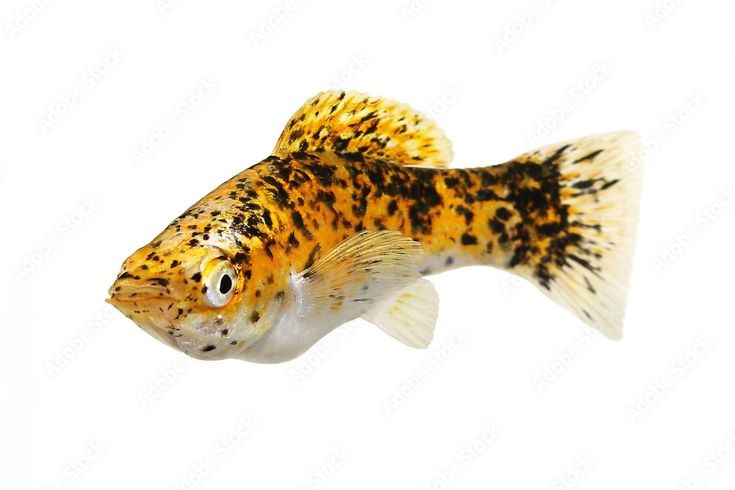
Marble Mollies are a striking variety of Molly fish with black-and-white mottled patterns that resemble marble stone. Their unique coloration, combined with their hardy nature, makes them a favorite among aquarists.
Out of Stock
Marble Mollies are a striking variety of Molly fish with black-and-white mottled patterns that resemble marble stone. Their unique coloration, combined with their hardy nature, makes them a favorite among aquarists.
White, silver, or pale bodies with irregular black patches and marbled spots. Their fins often display similar mottling, enhancing their unique look. Males tend to be slimmer with larger fins, while females are more rounded.
3-5 years
Omnivorous; accepts flakes, pellets, frozen or live foods, and enjoys blanched vegetables such as spinach, cucumber, or zucchini.
Marble Mollies are hardy, easy-to-care-for fish that add beauty and activity to aquariums. Their unique marbled appearance ensures that no two fish are exactly alike. They are excellent for community setups and are also great algae grazers, making them both decorative and functional.
Beginner
20 gallons
7.0–8.5
10–25 dGH
72–82°F (22–28°C)
3–4 inches
Guppies, Platies, Swordtails, Corydoras, Tetras, Otocinclus, peaceful Gouramis, Shrimp (with caution), and Snails.
Aggressive cichlids, large predatory fish, or fin-nippers like Tiger Barbs.
Poecilia sphenops (variant)
Poeciliidae
Selective aquarium breeding; wild mollies originate from Central and South America.
Social and peaceful; enjoys being in small groups and coexists well with other peaceful community fish.
Feed 2–3 times daily with high-quality flakes or pellets. Supplement with algae wafers, frozen brine shrimp, daphnia, bloodworms, and blanched vegetables for a balanced diet.
Livebearer; females give birth to free-swimming fry every 4–6 weeks.
Marble Mollies breed easily in home aquariums. Females give birth to 20–60 fry after a gestation of around 30 days. Adults may eat fry, so providing dense vegetation, breeding boxes, or a separate nursery tank increases fry survival.
pH: 7.0–8.5, Temperature: 72–82°F, Hardness: 10–25 dGH, Ammonia/Nitrite: 0 ppm, Nitrate: <20 ppm
Ich, fin rot, and fungal infections if water quality is poor. Maintain clean water and stable conditions to prevent disease.
Peaceful, active, and social; best kept in small groups.
Active and peaceful swimmers that enjoy the company of other mollies and livebearers. They frequently graze on algae and explore the tank. Social in nature, they thrive best when kept in groups.
Marble Mollies are known for their eye-catching black-and-white speckled patterns, which vary from fish to fish, making each one unique. They are hardy, beginner-friendly fish that thrive in community aquariums with stable water conditions. These mollies prefer slightly brackish environments but adapt well to freshwater aquariums. Highly social, they should be kept in groups of at least three to reduce stress. Marble Mollies are also prolific breeders, with females capable of giving birth to dozens of fry every month. Their constant activity and striking patterns make them a lively addition to aquariums.