
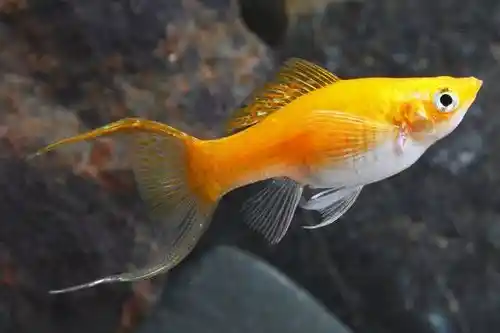
An elegant molly variety distinguished by its long, flowing lyre-shaped tail with extended upper and lower lobes. Attractive, active, and a great addition to planted community aquariums.
In Stock: Yes
Quantity in Stock: Few left
An elegant molly variety distinguished by its long, flowing lyre-shaped tail with extended upper and lower lobes. Attractive, active, and a great addition to planted community aquariums.
Streamlined body with an elongated, lyre-shaped caudal fin (top and bottom lobes extended). Color variants include silver, black, dalmatian, creamsicle, and more. Males typically have more pronounced tails and slimmer bodies; females are rounder and larger-bodied.
3-5 years
Omnivorous; high-quality flakes or pellets as staple, supplemented with spirulina/vegetable matter and occasional live/frozen foods (brine shrimp, daphnia, bloodworms).
Lyretail Mollies offer a beautiful, graceful fin style while remaining fairly easy to care for. They’re an excellent choice for hobbyists who want showy livebearers — just prioritize clean water, a varied diet, and peaceful tankmates to keep their fins in top condition.
Beginner to Intermediate (requires attention to water quality and gentle tankmates due to long fins)
20 gallons (recommended for a small group)
7.0 to 8.5
10–30 dGH
72–82°F (22–28°C)
3–4.5 inches (females generally larger)
Guppies, Platies, Swordtails, Corydoras, peaceful Tetras, Rasboras, Danios, Nerite Snails (monitor shrimp and fry).
Large aggressive cichlids, fin-nipping species (e.g., tiger barbs), large predatory fish.
Poecilia sphenops (Lyretail Molly variety)
Poeciliidae
Captive-bred variety derived from Poecilia species (selective breeding for tail shape).
Gregarious and community-friendly; prefers groups and interacts well with other peaceful livebearers.
Feed 2–3 small meals per day. Use a base of high-quality flakes or pellets formulated for livebearers, supplement with spirulina/algae-based foods and weekly blanched vegetables (zucchini, spinach). Offer live/frozen protein 2–3x per week to improve color and breeding condition.
Livebearer; females give birth to free-swimming fry and provide no parental care.
Females gestate for ~28–35 days and can produce 20–80 fry per brood depending on size and condition. To maximize fry survival, provide dense plants (Java moss, hornwort), floating vegetation, or a breeder box. Condition parents before breeding with protein-rich foods. Fry accept powdered flake, infusoria, microworms, and newly hatched brine shrimp and grow quickly under frequent small feedings.
pH: 7.0–8.5, Temperature: 72–82°F (22–28°C), Hardness: 10–30 dGH, Ammonia/Nitrite: 0 ppm, Nitrate: <30 ppm
Fin tears and secondary fin rot (from damage), ich, fungal infections, and occasional digestive issues if diet lacks fiber. Maintain clean water and treat fin damage early.
Peaceful and social; males may display mild courtship chasing.
Active mid-to-top swimmers that enjoy groups. Very social and curious. Males will chase females during courtship; maintain more females than males (2–3 females per male) to reduce stress. Because of long fins, avoid rough or sharp decor that can tear fins.
Lyretail Mollies are selectively bred for their distinctive lyre-shaped tails which give them an elegant, flowing appearance. They are hardy and adaptable like other mollies, but their long fins make them slightly more susceptible to fin damage and infections, so stable water quality and smooth decorations are important. They thrive in planted tanks with open swimming areas and do well in slightly brackish to freshwater setups. Ideal for hobbyists who want a showy livebearer without extremely demanding care needs. They breed readily — providing opportunities for raising fry — and add graceful movement to community aquariums.