
A unique variety of molly fish characterized by its rounded, balloon-like body shape. Hardy and peaceful, but requires attentive care due to its modified body structure.
In Stock: Yes
Quantity in Stock: Few left
A unique variety of molly fish characterized by its rounded, balloon-like body shape. Hardy and peaceful, but requires attentive care due to its modified body structure.
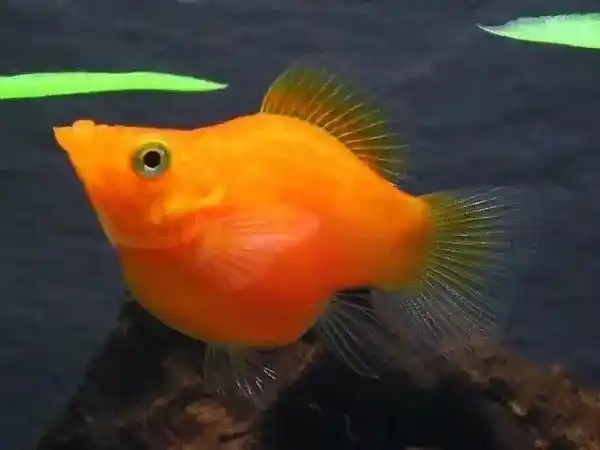
Balloon Mollies have a rounded, bloated-looking body with a slightly arched back and short, stubby appearance. They come in many colors, including black, white, gold, dalmatian, and marbled. Their unique body shape is a result of selective breeding rather than a natural genetic trait.
3-5 years (sometimes shorter due to body shape-related health issues)
Omnivorous; thrives on algae, high-quality flakes, spirulina, and live/frozen foods like brine shrimp, bloodworms, and daphnia.
Balloon Mollies are a fascinating and visually unique variety, but their body shape requires extra care. They thrive in clean, stable environments and are best suited for aquarists willing to provide proper diet, space, and gentle tank mates. Their vibrant colors and playful behavior make them a joy to watch in aquariums.
Beginner to Intermediate (slightly more sensitive due to body shape)
20 gallons (larger for groups)
7.0 to 8.5
10–30 dGH
72–82°F (22–28°C)
2.5 to 3 inches
Guppies, Platies, Swordtails, Corydoras, danios, small tetras, rasboras, snails, and shrimp (with monitoring).
Large aggressive fish, fin-nipping species (like tiger barbs), and predatory cichlids.
Poecilia sphenops (Balloon Molly variety)
Poeciliidae
Captive-bred variety of Poecilia sphenops; not naturally occurring in the wild
Peaceful schooling fish; enjoys groups and does well in community aquariums. Works best with other livebearers and small peaceful species.
Feed 2–3 times per day with high-quality flakes or pellets supplemented with algae wafers, spirulina, and live/frozen foods. Include blanched vegetables (like zucchini or spinach) to aid digestion and reduce constipation risk.
Livebearer; females give birth to free-swimming fry without parental care.
Balloon Mollies breed like other mollies, but due to their altered body shape, pregnancies may be harder on the females. Females can still give birth to 20–60 fry every 4–6 weeks. Provide dense plants, spawning mops, or breeding boxes to protect fry, as adults may eat them. Fry should be fed powdered flakes, baby brine shrimp, or infusoria.
pH: 7.0–8.5, Temperature: 72–82°F, Hardness: 10–30 dGH, Ammonia/Nitrite: 0 ppm, Nitrate: <30 ppm
Swim bladder problems, constipation, spinal deformities, ich, and fin rot. Their body shape makes them more prone to buoyancy and digestion issues compared to standard mollies.
Peaceful community fish; males may show mild aggression during breeding.
They are peaceful, friendly, and active swimmers despite their body shape. Balloon Mollies prefer to be kept in small groups of 4–6 or more. Males may occasionally chase females, so maintaining a higher female-to-male ratio helps reduce stress. They are algae grazers and constantly forage around the tank.
Balloon Mollies are a selectively bred variety of Poecilia sphenops, known for their round, balloon-like body. Their distinctive appearance makes them highly sought after, but this body modification also brings certain health concerns. Balloon Mollies are active, social, and peaceful fish that adapt well to freshwater and slightly brackish environments. They are excellent community fish when kept in groups, and like other mollies, they are prolific livebearers. However, their shortened spine and compressed body can sometimes lead to swim bladder and digestive issues, so they need clean water, a balanced diet, and gentle tank mates to thrive.