
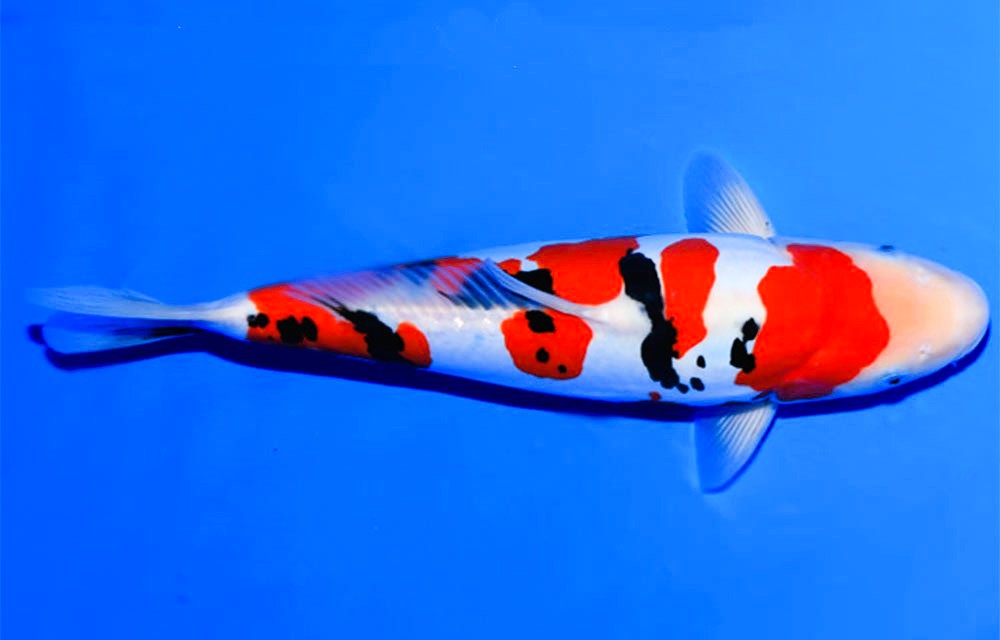
The Sanke Koi, also known as Taisho Sanke, is one of the most prized koi varieties. It features a pure white body with vibrant red (hi) markings and elegant black (sumi) spots, making it a symbol of balance, beauty, and refinement in the koi world.
Out of Stock
The Sanke Koi, also known as Taisho Sanke, is one of the most prized koi varieties. It features a pure white body with vibrant red (hi) markings and elegant black (sumi) spots, making it a symbol of balance, beauty, and refinement in the koi world.
White body with deep red (hi) markings and refined black (sumi) spots. Black never appears on the head, only on the body and fins. Ideal specimens have balanced patterns, crisp edges, and glossy colors. Various subtypes include Maruten Sanke (red crown mark on the head) and Tancho Sanke (single red spot on the head with black markings on the body).
25–35 years; with superior care, can live 40+ years
Omnivorous; thrives on high-quality koi pellets, wheat germ (for cooler months), fresh vegetables (peas, spinach, lettuce), fruits (orange slices, watermelon), and protein-rich foods like shrimp, worms, and bloodworms. Seasonal diet adjustments are essential.
Sanke Koi combine elegance with history, being one of the three foundational koi varieties (Gosanke). Their stunning three-color pattern makes them a centerpiece in ponds, admired by beginners and expert koi enthusiasts alike.
Intermediate – requires large pond, strong filtration, and diligent maintenance.
500+ gallons pond (1000+ gallons recommended for groups)
7.0 to 8.0
5–15 dGH
59–77°F (15–25°C); tolerates wider ranges with proper care
24–36 inches (60–90 cm) depending on genetics and pond conditions
Other koi varieties, goldfish, and non-aggressive pond fish such as orfe or weather loach. Avoid predatory fish.
Aggressive or predatory fish such as cichlids, large catfish, or fin-nipping species. Avoid overcrowding ponds with incompatible species.
Cyprinus carpio (Taisho Sanke variety)
Cyprinidae
Japan, Taisho Era (1912–1926); bred from Kohaku koi with black sumi traits.
Schooling and social; prefer being kept in groups with other koi. Friendly and can become accustomed to hand-feeding.
Feed 1–2 times daily in warm months with koi pellets, fresh greens, and occasional protein. In cooler months, reduce feeding and use wheat germ-based food for easier digestion. Avoid overfeeding to maintain water quality.
Egg-scatterers; females release thousands of eggs on aquatic plants or spawning brushes in spring. Males fertilize externally. Adults may eat eggs and fry, so breeding is usually done in controlled conditions with fry separated. Fry show different color development, requiring selective rearing to maintain desirable Sanke patterns.
pH: 7.0–8.0, Temperature: 59–77°F (15–25°C), Hardness: 5–15 dGH, Ammonia/Nitrite: 0 ppm, Nitrate: <40 ppm. Strong aeration and large-volume water changes recommended.
Prone to koi herpesvirus (KHV), parasites like anchor worms and flukes, and bacterial infections if water is poor. Quarantine new koi and maintain pristine pond conditions to prevent outbreaks.
Peaceful, intelligent, and social. Sanke Koi thrive in groups and interact actively with pond mates and their caregivers. They are lively swimmers, often gathering at feeding times, and can be trained to take food from hands.
The Sanke Koi, officially called Taisho Sanke, originated in Japan during the Taisho Era (1912–1926). It is part of the Gosanke group, along with Kohaku and Showa, and remains one of the most beloved koi varieties worldwide. Sanke are distinguished by their three-color pattern: a clean white base, bold red markings, and elegant black spots. Ideal Sanke exhibit balanced sumi placements that do not appear on the head but complement the hi patterns across the body. Breeders place high value on crisp color separation (kiwa), snow-white skin (shiroji), deep red (hi), and glossy black (sumi). Their elegance and symbolism make them a top choice in koi shows and collections.