
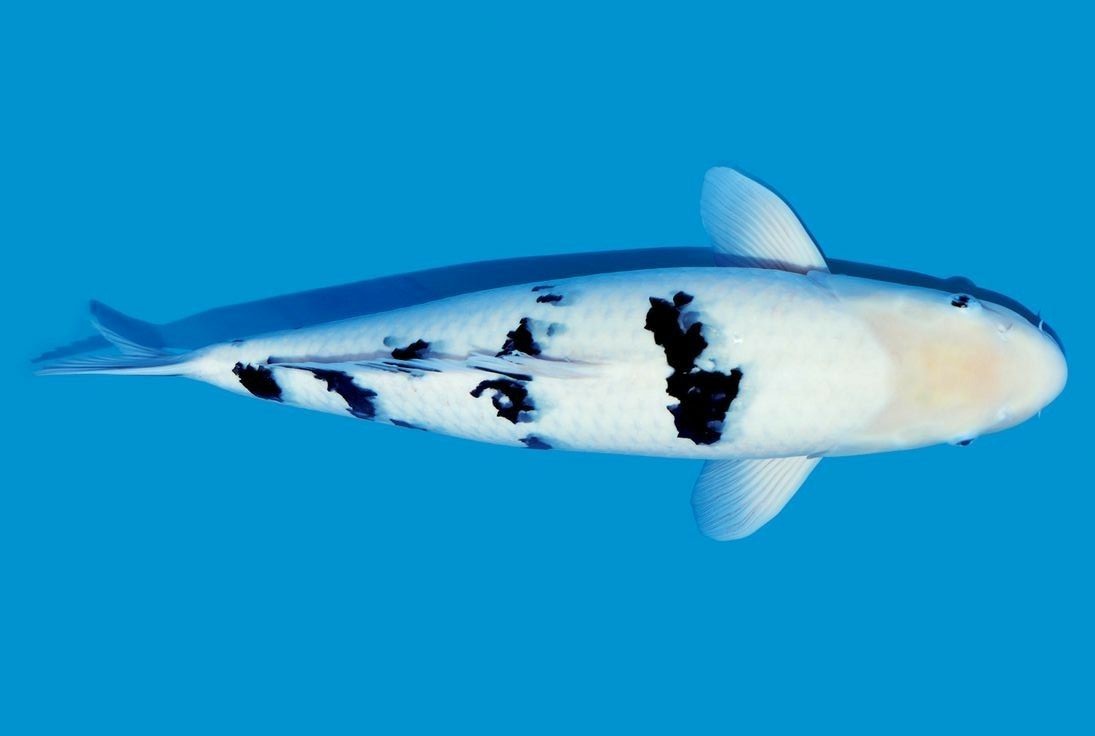
Bekko Koi are a traditional koi variety characterized by a solid white, red, or yellow base with simple black markings (sumi) scattered across the body. They are appreciated for their clean, minimalist appearance.
Out of Stock
Bekko Koi are a traditional koi variety characterized by a solid white, red, or yellow base with simple black markings (sumi) scattered across the body. They are appreciated for their clean, minimalist appearance.
Solid white, red, or yellow base with distinct black markings scattered across the body. The head should ideally remain free of sumi for balance. Bekko koi do not display complex patterns, but rather clean, bold contrast.
20–30 years or more with excellent pond care
Omnivorous; thrives on high-quality koi pellets, fresh vegetables (spinach, peas, lettuce), and protein-rich treats such as worms, shrimp, or silkworm pupae.
Bekko Koi represent simplicity and elegance in koi keeping. Their bold contrast and clean appearance make them timeless classics, perfect for koi keepers who admire minimalist beauty in their pond.
Easy to Moderate – hardy koi variety, but maintaining clean water and balanced nutrition is essential for vibrant coloration.
500+ gallons pond (1000+ gallons recommended for multiple koi)
7.0 to 8.0
5–15 dGH
59–77°F (15–25°C); hardy in outdoor ponds with proper seasonal care.
20–28 inches (50–70 cm)
Compatible with other koi, goldfish, and non-aggressive pond fish. Avoid fin-nipping or highly aggressive fish.
Large predatory fish such as arowana, snakeheads, or aggressive catfish that may harass or injure them.
Cyprinus carpio (Bekko variety)
Cyprinidae
Japan; developed as an early koi variety derived from Sanke lineage.
Highly social, thrives in groups with other koi and pond mates. Peaceful in nature, rarely aggressive.
Feed 1–2 times daily with staple koi pellets. Supplement with vegetables and occasional protein-rich treats. Reduce feeding during colder months when metabolism slows down.
Egg scatterers. Females lay adhesive eggs on aquatic plants or spawning brushes, while males fertilize them externally. Adults may consume eggs if not separated.
pH: 7.0–8.0, Temperature: 59–77°F (15–25°C), Hardness: 5–15 dGH, Ammonia/Nitrite: 0 ppm, Nitrate: <40 ppm
Can be prone to common koi ailments such as Ich, ulcers, bacterial infections, or parasites if pond hygiene is poor. Strong immune system when water quality is maintained.
Peaceful, calm, and social fish. They mix well with other koi and ornamental pond fish, making them ideal for community ponds.
Bekko Koi are among the simplest and most elegant koi varieties. The term 'Bekko' translates to 'tortoiseshell' in Japanese, reflecting their clean appearance with scattered sumi (black) markings over a solid base. They come in three color variations: Shiro Bekko (white base), Aka Bekko (red base), and Ki Bekko (yellow base). Bekko are closely related to Sanke koi but lack the red (hi) markings. Their simplicity and striking contrast make them a favorite among koi enthusiasts, especially for beginners who appreciate easily identifiable patterns.