
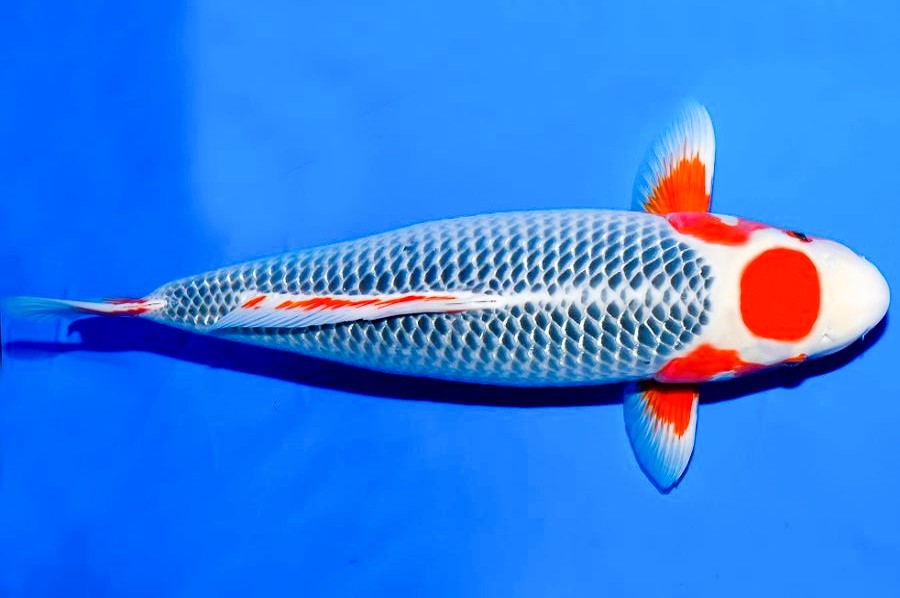
Asagi Koi are one of the oldest and most traditional koi varieties, known for their distinctive blue net-like (reticulated) scale pattern across the back and vibrant red-orange coloration on the belly, fins, and gill plates.
Out of Stock
Asagi Koi are one of the oldest and most traditional koi varieties, known for their distinctive blue net-like (reticulated) scale pattern across the back and vibrant red-orange coloration on the belly, fins, and gill plates.
Blue-gray reticulated scales across the back, with symmetrical red-orange (hi) markings on the lower body, belly, cheeks, and fins. The head is ideally clean and pale, with minimal blemishes.
20–35 years; some can live longer with excellent care
Omnivorous; enjoys high-quality koi pellets, vegetables (spinach, peas, lettuce), and protein-rich treats (shrimp, worms, bloodworms).
Asagi Koi are treasured for their simplicity, elegance, and historical significance. Their calm beauty and connection to koi history make them a must-have for traditional koi collections.
Easy to Intermediate – hardy and adaptable, but require high water quality for best coloration.
500+ gallons pond (1000+ gallons preferred for groups)
7.0 to 8.0
5–15 dGH
59–77°F (15–25°C); can tolerate cooler water but need protection from extreme freezing.
24–36 inches (60–90 cm)
Compatible with koi, goldfish, and peaceful pond species. Avoid aggressive or fin-nipping fish.
Aggressive or predatory species such as large cichlids, snakeheads, or large predatory catfish.
Cyprinus carpio (Asagi variety)
Cyprinidae
Japan; one of the earliest koi varieties developed from wild black carp (Magoi).
Highly social and thrives with other koi. Peaceful and non-aggressive, suitable for ponds with other ornamental pond fish.
Feed 1–2 times daily with high-quality pellets. Supplement with fresh greens, fruits, and protein foods during warmer months. Reduce feeding in cooler seasons when metabolism slows.
Egg scatterers; females scatter adhesive eggs on aquatic plants or spawning media, males fertilize externally. Adults may consume eggs, so protection of eggs is necessary.
pH: 7.0–8.0, Temperature: 59–77°F (15–25°C), Hardness: 5–15 dGH, Ammonia/Nitrite: 0 ppm, Nitrate: <40 ppm
Generally hardy but may develop common koi ailments like Ich, ulcers, or bacterial infections if water quality is poor. Sensitive to high nitrate levels, which may dull colors.
Calm, peaceful, and active pond fish. They are social, thrive in groups, and are excellent community koi for garden ponds.
Asagi Koi are regarded as one of the most traditional koi varieties, dating back over 200 years in Japan. They are characterized by their reticulated blue-gray scale pattern, which gives a net-like effect across the back, and vivid red (hi) markings on the belly, fins, and cheeks. Unlike the Shusui (Doitsu form of Asagi), Asagi are fully scaled, with each scale outlined in dark pigment. They are admired for their balance, harmony of color, and understated elegance. Asagi are considered a foundational koi variety, from which many other modern koi strains were developed.