
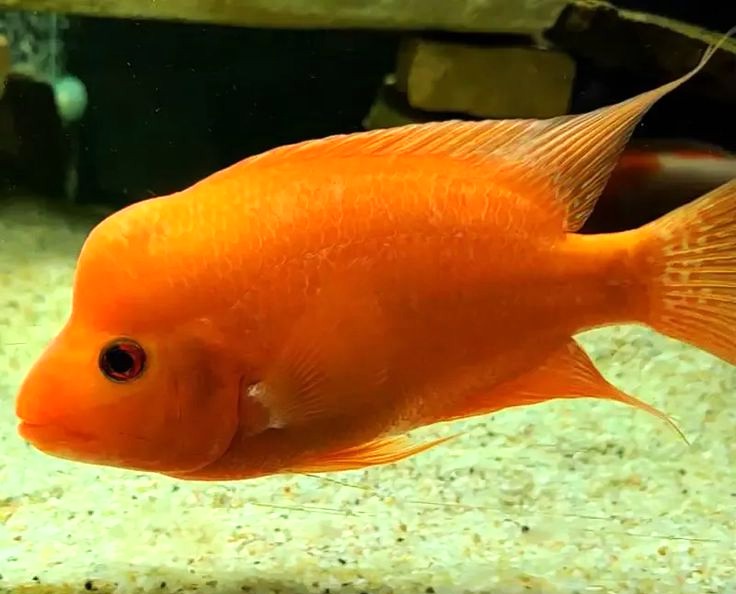
A large, aggressive Central American cichlid named for its vivid red coloration and fierce temperament. Known for strong territorial behavior and dynamic personality.
Out of Stock
A large, aggressive Central American cichlid named for its vivid red coloration and fierce temperament. Known for strong territorial behavior and dynamic personality.
Large-bodied fish with a tall profile; bright red, orange, and yellow body with occasional blotches. Males grow larger and may develop nuchal humps, while females tend to be slightly smaller with less intense coloration.
10–15 years
Omnivorous; require a varied diet including high-quality cichlid pellets or flakes supplemented with live or frozen foods like bloodworms, brine shrimp, earthworms, and vegetable matter such as blanched peas or spirulina.
Red Devil Cichlids are captivating and powerful fish for experienced aquarists who can meet their space, social, and care requirements. Their strength, coloring, and behaviors make them a centerpiece species in large aquariums.
Advanced; requires expertise to manage aggression, maintain water quality, and provide suitable tank size and decor.
55 gallons for single; 125+ gallons for pairs
6.5 to 7.5
6–25 dGH
75–79°F (24–26°C)
12–15 inches (30–38 cm)
Large aggressive cichlids, big catfish species, and other equally robust fish capable of defending themselves.
Small or slow-moving fish, delicate species, and fish unable to defend themselves. Only large, robust, aggressive fish are recommended tankmates.
Amphilophus labiatus
Cichlidae
Central America: Nicaragua, Honduras, Costa Rica
Highly aggressive and territorial; best kept singly or in large tanks with robust tankmates.
Feed multiple times daily with a mix of pellets, flakes, live, and frozen foods, along with vegetable supplements to ensure balanced nutrition.
Substrate spawner; pairs clean flat surfaces to lay eggs and fiercely guard their territory and fry.
Pairs form strong bonds and lay eggs on cleaned flat surfaces. They guard eggs and fry aggressively. Fry hatch in about 3-4 days and are protected by both parents until free-swimming.
pH: 6.5–7.5, Temperature: 75–79°F (24–26°C), Hardness: 6–25 dGH, Nitrate: <20 ppm
Hole-in-the-Head disease (HITH), ich, fin rot; preventable with clean water, balanced diet, and stress minimization.
Highly aggressive and territorial, especially as adults. Requires large tanks, ample hiding places, and careful tankmate selection to manage aggression.
Highly territorial and aggressive; exhibits digging and rearranging behaviors. Bonds strongly with owners but may show aggression to tankmates. Requires a carefully planned tank setup.
Red Devil Cichlids are native to the rivers and lakes of Central America. They grow large, up to 15 inches, and have intense red coloring with variations including orange and yellow hues. Their aggressive nature means they should be kept in spacious aquariums of at least 55 gallons for a single fish, with 125 gallons or more recommended for pairs or community tanks. They are active diggers, so a sandy substrate and sturdy décor are essential. Robust filtration and regular water changes are necessary due to their high waste production. Red Devils form strong bonds with owners and display interesting behaviors but require an experienced aquarist due to their aggressive and territorial nature.