
A vibrant and diverse group of small to medium-sized African cichlids native to the rocky shores of Lake Malawi. Known for their bright coloration, strong territorial behavior, and impressive social dynamics.
Out of Stock
A vibrant and diverse group of small to medium-sized African cichlids native to the rocky shores of Lake Malawi. Known for their bright coloration, strong territorial behavior, and impressive social dynamics.
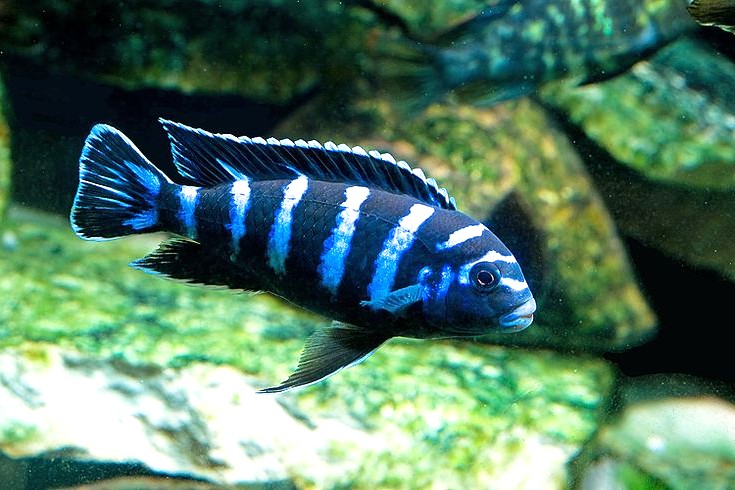
Compact, robust bodies with varied and striking coloration patterns including blues, reds, yellows, blacks, and whites. Males often show more intense color and finnage mods compared to females. Many species display vertical or horizontal bars.
6–10 years
Primarily herbivorous; require a diet rich in vegetable matter and algae-based foods, supplemented occasionally with protein-rich items. Specialized cichlid flakes, spirulina, and blanched vegetables are recommended.
Mbunas offer unparalleled color, personality, and behavior for experienced aquarists dedicated to African cichlid care. Their aggressive nature demands careful stocking and tank management but rewards keepers with engaging and fascinating fish.
Intermediate to Advanced; requires stable water parameters reflecting Lake Malawi conditions, careful management of aggression, and appropriate tank size and décor.
55 gallons for a mixed Mbuna community
7.8 to 8.6
10–20 dGH
74–82°F (23–28°C)
4–5 inches (10–13 cm)
Other Mbuna species, robust Lake Malawi cichlids such as some Haplochromis; avoid mixing with peacocks or species from other lakes.
Peaceful community fish, slow or small fish, and species unable to handle Mbuna aggression are not suitable. Avoid mixing with less aggressive Lake Malawi cichlids like Peacocks or species from other lakes.
Various species within genus Maylandia, Pseudotropheus, Melanochromis, and others
Cichlidae
Lake Malawi, East Africa
Highly territorial and aggressive; establish hierarchies and territories. Best kept with conspecific or similarly aggressive species.
Offer a diet rich in vegetable and algae matter such as spirulina flakes, supplemented with occasional protein sources. Avoid high-protein diets to prevent bloat.
Maternal mouthbrooders; females incubate eggs and fry in their mouths for several weeks, offering excellent protection until fry are free-swimming.
Females carry fertilized eggs and fry in their mouths for 2-3 weeks. Fry are released fully capable of independent feeding. Providing plenty of cover reduces stress during breeding.
pH: 7.8–8.6, Temperature: 74–82°F (23–28°C), Hardness: 10–20 dGH, Nitrate: <20 ppm
Susceptible to Malawi bloat and ich; prevention includes proper diet, high-quality filtration, and stable water conditions.
Highly territorial and aggressive, especially males. Best kept in species-specific tanks with many hiding places and rocks to establish territories.
Socially complex, Mbunas are aggressive and highly territorial. Establish hierarchies and defend territories vigorously, often resulting in displays and conflicts.
Mbuna cichlids are rock-dwelling fish native to Lake Malawi in East Africa. Their name means 'rockfish' in the local Tonga language, reflecting their natural habitat among rocky reefs. Mbunas are celebrated for their vivid colors, complex social structures, and aggressive territoriality. Most species remain under 5 inches in length, making them suitable for well-planned community aquariums, provided stocking density is managed to reduce aggression. They thrive in hard, alkaline water (high pH and mineral content) that mimics their natural lake environment. Due to their territorial nature, aquarists often maintain them in heavily stocked tanks with numerous rock caves to diffuse aggression.