
A small, peaceful, and active upside-down catfish from Lake Tanganyika, known for its spotted pattern and shoaling behavior. Popular in African cichlid setups.
Out of Stock
A small, peaceful, and active upside-down catfish from Lake Tanganyika, known for its spotted pattern and shoaling behavior. Popular in African cichlid setups.
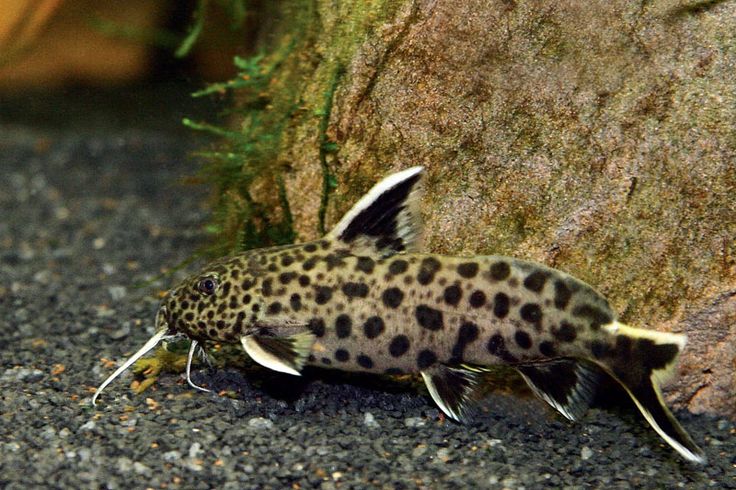
Cream to light brown body covered in dark spots across the body and fins. Black edging on the dorsal and caudal fins. Slender body with large, expressive eyes and elongated whisker-like barbels. Adults reach about 4–5 inches.
8–10 years (sometimes up to 12 in excellent conditions)
Omnivorous; accepts sinking pellets, wafers, live and frozen foods such as bloodworms, brine shrimp, daphnia, and occasional vegetable matter like cucumber or zucchini.
Synodontis Petricola is a fascinating, hardy, and attractive catfish species well-suited for African Rift Lake aquariums. Its playful upside-down swimming, peaceful demeanor, and compatibility with cichlids make it a prized addition. With proper care, it rewards aquarists with years of activity and character.
Intermediate
30 gallons (larger if kept with cichlids or in groups)
7.5 to 8.5
10–20 dGH
75–82°F (24–28°C)
4–5 inches
Tanganyikan cichlids (e.g., Julidochromis, Altolamprologus, Cyprichromis), peaceful Mbuna, smaller Rift Lake species, or other medium-sized community fish that prefer alkaline water.
Large aggressive cichlids that may prey on them (such as some Mbuna or predatory species). Avoid mixing with overly aggressive or territorial bottom dwellers.
Synodontis petricola
Mochokidae
Lake Tanganyika, East Africa; rocky, highly oxygenated shallow waters.
Shoaling species; thrives in groups of 4–6+. Peaceful and active, often exploring caves and rocky areas together.
Feed once or twice daily. Use high-quality sinking pellets/wafers as a staple. Supplement with frozen/live foods like bloodworms, brine shrimp, and daphnia. Offer blanched vegetables occasionally for fiber.
pH: 7.5–8.5, Temperature: 75–82°F (24–28°C), Hardness: 10–20 dGH, Ammonia/Nitrite: 0 ppm, Nitrate: <20 ppm
Generally hardy, but may suffer from bacterial infections, ich, or skin parasites if water quality declines. Sensitive to poor oxygenation and sudden shifts in pH.
Peaceful, active, and social catfish that often swims upside down near rocks and caves. Best kept in groups of 4–6 or more. Excellent companion for African Rift Lake cichlids due to similar water requirements.
Synodontis Petricola, also known as the Pygmy Leopard Catfish, is a small but striking species of upside-down catfish native to the rocky shores of Lake Tanganyika in East Africa. Unlike many larger Synodontis species, Petricola remains relatively small and manageable, usually maxing out around 4–5 inches. Their spotted brown-and-cream coloration, playful behavior, and peaceful temperament make them one of the most sought-after Tanganyikan catfish in the aquarium trade. They are shoaling species that exhibit fascinating upside-down swimming, often patrolling caves and crevices for food. Their natural habitat is highly oxygenated, alkaline waters with rocky structures, so aquariums should replicate these conditions. They are excellent dither fish in Rift Lake setups and coexist well with cichlids due to their similar water chemistry needs. Hardy, adaptable, and long-lived, Synodontis Petricola is ideal for aquarists wanting to add character to their Tanganyikan or African cichlid community tank.