
Also known as the Cuckoo Catfish, this unique Synodontis from Lake Tanganyika is famous for its parasitic breeding strategy. Hardy, active, and well-suited for African cichlid tanks.
Out of Stock
Also known as the Cuckoo Catfish, this unique Synodontis from Lake Tanganyika is famous for its parasitic breeding strategy. Hardy, active, and well-suited for African cichlid tanks.
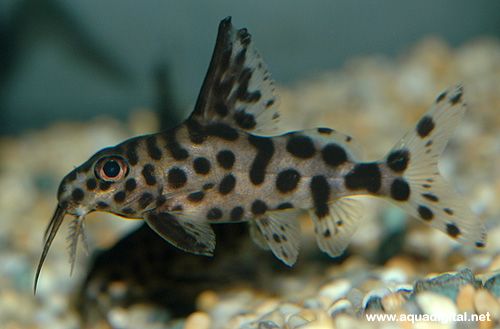
Cream to beige base coloration covered in irregular black spots across the body and fins. Fins may have black edging, especially the dorsal and tail fins. Long barbels and a streamlined catfish body shape. Adults can grow significantly larger than Petricola, reaching 8–10 inches.
10–15 years
Omnivorous; readily accepts sinking pellets, wafers, live and frozen foods such as bloodworms, brine shrimp, mysis, daphnia, and vegetable matter.
The Cuckoo Catfish is an intelligent, fascinating species that thrives in larger African Rift Lake aquariums. Its unique breeding behavior sets it apart from nearly all other aquarium fish. With a long lifespan, hardy nature, and active personality, Synodontis Multipunctatus is best kept by aquarists prepared for its larger size and lively behavior.
Intermediate to Advanced (due to size and breeding complexity).
55 gallons (larger recommended for groups or with cichlids)
7.8 to 9.0
10–20 dGH
74–82°F (23–28°C)
8–10 inches
Tanganyikan and Malawian cichlids (e.g., Tropheus, Mbuna, Frontosa, Julidochromis), large peaceful Rift Lake fish, or robust community species requiring hard, alkaline water.
Large aggressive predators that may view them as prey. Avoid small delicate fish as they may be outcompeted for food.
Synodontis multipunctatus
Mochokidae
Lake Tanganyika, East Africa; rocky, sandy habitats with strong oxygenation.
Group-living species; keep in shoals of 4–6+. Highly interactive and active, often competing with cichlids for food and space.
Feed once or twice daily with sinking carnivore pellets, wafers, and frozen/live foods. They enjoy variety and will also accept vegetables like blanched zucchini or cucumber.
pH: 7.8–9.0, Temperature: 74–82°F (23–28°C), Hardness: 10–20 dGH, Ammonia/Nitrite: 0 ppm, Nitrate: <20 ppm
Prone to bacterial infections, ich, and skin parasites if water quality is poor. Sensitive to low oxygen levels. Requires high filtration and regular maintenance.
Active, social, and sometimes mischievous. Often swims upside down and prefers to live in groups of 4–6+. Compatible with African Rift Lake cichlids due to similar water requirements. Known for its unique cuckoo-style breeding strategy.
Synodontis Multipunctatus, commonly called the Cuckoo Catfish, is one of the most remarkable and intriguing freshwater fish in the aquarium trade. Native to Lake Tanganyika, it thrives in rocky, highly oxygenated waters where it coexists with cichlids. Its spotted body pattern, upside-down swimming behavior, and lively personality make it a popular choice for Rift Lake setups. What truly sets it apart is its evolutionary adaptation: a parasitic breeding strategy where it tricks mouthbrooding cichlids into raising its young. Beyond its breeding quirks, this catfish is hardy, long-lived, and highly interactive, making it a prized species for aquarists with larger African cichlid tanks.