
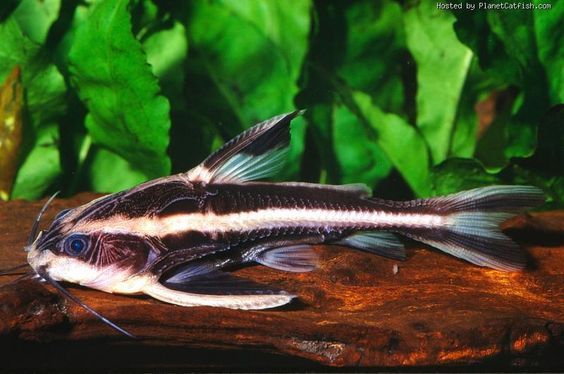
The Striped Raphael Catfish (Platydoras armatulus) is a hardy, long-lived catfish with bold black and white horizontal stripes. Known for its armored body and nocturnal habits, it is a favorite among aquarists seeking a unique and durable bottom-dweller.
Out of Stock
The Striped Raphael Catfish (Platydoras armatulus) is a hardy, long-lived catfish with bold black and white horizontal stripes. Known for its armored body and nocturnal habits, it is a favorite among aquarists seeking a unique and durable bottom-dweller.
Robust, elongated body with alternating black and white horizontal stripes running from head to tail. The body is covered in tough bony plates, giving it an armored look. Long barbels extend from the mouth for navigation and foraging. Adults can grow between 7–9 inches in length.
15–20 years (can live longer in optimal conditions)
Omnivorous; accepts sinking pellets, algae wafers, shrimp, bloodworms, brine shrimp, vegetables (zucchini, cucumber), and other frozen or live foods.
The Striped Raphael Catfish is a hardy, long-lived, and striking bottom-dweller. With its bold stripes, armored body, and nocturnal activity, it adds a fascinating dynamic to aquariums. Best kept with peaceful or semi-aggressive tank mates in a tank that provides hiding spaces and open bottom areas. It is one of the most beginner-friendly large catfish species due to its adaptability and resilience.
Easy to Intermediate (very hardy but needs hiding places and space).
50 gallons (larger recommended for groups or community tanks)
6.0 to 7.5
2–15 dGH
72–80°F (22–27°C)
7–9 inches
Peaceful to semi-aggressive community fish such as silver dollars, medium barbs, rainbowfish, peaceful cichlids (Severums, Geophagus), Corydoras, and other armored catfish.
Very aggressive or highly territorial large cichlids, fin-nippers, or fish small enough to fit in its mouth (such as neon tetras or shrimp).
Platydoras armatulus
Doradidae
South America – Amazon, Orinoco, Paraguay, and Paraná River basins
Semi-social; can be kept alone but thrives in small groups. Peaceful toward tank mates but may eat very small fish. Requires hiding spots to feel secure.
Feed once daily in the evening or at night when they are most active. Provide a balanced diet of sinking pellets, live or frozen foods, and occasional vegetables. They are natural scavengers but should not be relied upon as the sole cleaning crew.
pH: 6.0–7.5, Temperature: 72–80°F (22–27°C), Hardness: 2–15 dGH, Ammonia/Nitrite: 0 ppm, Nitrate: <25 ppm
Generally hardy, but can develop ich, bacterial infections, or parasite infestations if kept in poor water quality. Prone to stress if not provided with hiding spaces.
Peaceful, shy, and nocturnal. They spend most of the day hiding in caves, driftwood, or dense plants, becoming active at night to forage. Despite their armored appearance, they are non-aggressive and get along with most tank mates. They also produce a drumming or 'croaking' sound when stressed or communicating.
The Striped Raphael Catfish (Platydoras armatulus), also known as the Talking Catfish, is a South American species native to slow-moving rivers and floodplain areas of the Amazon, Paraguay, Paraná, and Orinoco basins. It gets its 'talking' name from the croaking or drumming noises it produces by rubbing its pectoral fins against its sockets, used for communication and defense. Covered in bony scutes (armored plates), the Striped Raphael is well-protected from predators. Its bold horizontal stripes and long lifespan make it a durable and attractive choice for aquarists. Although shy during the day, it becomes highly active at night and is an excellent scavenger that helps keep the substrate clean. It is one of the hardiest catfish available, tolerant of a wide range of water conditions, making it suitable for beginner and experienced aquarists alike.