
The Featherfin Squeaker (Synodontis eupterus) is a striking African catfish known for its feather-like dorsal fin and ability to produce squeaking sounds. Hardy, long-lived, and active, it makes a beautiful addition to larger aquariums.
Out of Stock
The Featherfin Squeaker (Synodontis eupterus) is a striking African catfish known for its feather-like dorsal fin and ability to produce squeaking sounds. Hardy, long-lived, and active, it makes a beautiful addition to larger aquariums.
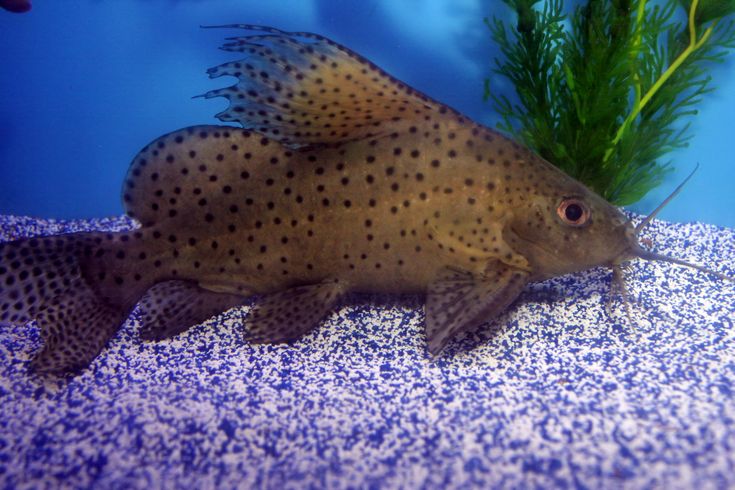
Slender, elongated body with a tall, feathery dorsal fin resembling a sail. The body is covered in dark brown to grayish coloration with irregular black or dark brown spots and stripes. Long barbels extend from the mouth, helping in navigation and food detection. Adults grow up to 8–12 inches in length.
12–15 years (sometimes longer in captivity)
Omnivorous; accepts sinking pellets, algae wafers, bloodworms, brine shrimp, vegetables (zucchini, cucumber), and meaty frozen foods.
The Featherfin Squeaker is both beautiful and fascinating, offering aquarists a unique combination of striking appearance and unusual squeaking behavior. With a long lifespan and hardy nature, it can be a rewarding centerpiece fish for medium-to-large aquariums if provided with space, hiding spots, and proper water quality.
Intermediate (requires large tank and good filtration).
55 gallons (larger preferred, especially for groups)
6.5 to 7.8
4–15 dGH
72–82°F (22–28°C)
8–12 inches
African cichlids (peaceful to semi-aggressive species), larger barbs, rainbowfish, Congo tetras, and other medium-to-large peaceful community fish. Avoid overly aggressive tank mates.
Very small fish (may be eaten), overly aggressive cichlids, or territorial bottom-dwellers such as large plecos that may compete for space.
Synodontis eupterus
Mochokidae
Widespread in Africa: Nile Basin, Chad Basin, Volta Basin, and Niger River; inhabits slow to moderately fast rivers with sandy or rocky substrates.
Semi-social; can be kept singly or in small groups (4–6). Territorial toward other large catfish if not given enough hiding spaces.
Feed once or twice daily with sinking pellets, algae wafers, live/frozen bloodworms, brine shrimp, and occasional vegetables. A varied diet ensures good health and strong coloration.
pH: 6.5–7.8, Temperature: 72–82°F (22–28°C), Hardness: 4–15 dGH, Ammonia/Nitrite: 0 ppm, Nitrate: <20 ppm
Susceptible to bacterial infections, ich, and parasitic infestations if water quality is poor. Sensitive to low oxygen levels and high nitrate buildup.
Generally peaceful but territorial with its own kind if kept in small numbers. Best in groups of 4–6 or singly. Active at night but will become more visible during the day if kept in a comfortable environment with hiding spaces. Known for producing squeaking noises by rubbing its pectoral fins against its sockets.
The Featherfin Squeaker (Synodontis eupterus) is one of the most popular Synodontis species in the aquarium hobby. Native to Africa’s Nile, Chad, Volta, and Niger basins, it thrives in well-oxygenated rivers with sandy or rocky bottoms. Its name 'Squeaker' comes from the squeaking noise it produces when stressed or communicating, an adaptation for deterring predators and interacting with other catfish. With a feather-like dorsal fin that grows into a tall, flowing structure, this species is both visually stunning and behaviorally fascinating. Hardy, adaptable, and long-lived, the Featherfin Squeaker is excellent for aquarists with medium-to-large aquariums who want a unique, centerpiece bottom-dweller.