
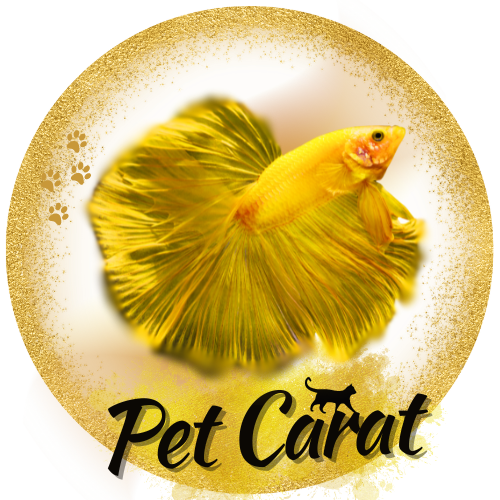
Display long and flowing fins, giving them an elegant and graceful appearance.
Out of Stock
Display long and flowing fins, giving them an elegant and graceful appearance.
The Long-Finned Betta is a term used to describe Betta splendens variants with dramatically extended, flowing fins—such as Veiltail, Halfmoon, and Rosetail varieties. These fins give the fish a stunning, flowing appearance, often likened to underwater dancers.
2-4 years
Carnivorous; prefers high-quality Betta pellets or flakes, supplemented with occasional live or frozen foods.
Long-Finned Bettas are prized for their aesthetic appeal, often being show fish in competitions and admired in aquascapes. While their care is relatively straightforward, extra attention to water quality and tank decor (no sharp edges) is crucial to keep their fins pristine. They’re ideal for hobbyists seeking beauty and interaction in a centerpiece fish.
Moderate
5 gallons (19 liters)
6.5–7.5
5–20 dGH
76–82°F (24–28°C)
2.5 to 3 inches
Peaceful bottom dwellers like Kuhli loaches, Corydoras, and small snails; non-aggressive nano schooling fish if space allows
Other male Bettas, Fin-nipping fish like Barbs or Serpae Tetras, Cichlids, Gouramis
Betta splendens
Belontiidae
Selective breeding from Southeast Asian Betta strains
Territorial; males highly aggressive, females less so
Feed twice daily in small portions. A mix of Betta pellets and occasional live/frozen foods keeps them healthy and vibrant. Avoid flake foods as they’re less nutritious and harder to digest. Always remove uneaten food within 5 minutes to avoid ammonia spikes.
Male builds bubble nest; female must be removed after egg release. Male tends nest and fry.
To breed, place the male and female in adjacent tanks for a few days before introducing them. The male builds a bubble nest, then embraces the female during spawning. Eggs are placed in the nest and guarded by the male. Remove the female post-spawning to avoid aggression. The male continues tending the nest until the fry become free-swimming.
Keep water temperature stable between 76–82°F, pH around 7, and avoid strong filtration that creates excessive water movement. Weekly partial water changes (20–30%) and regular gravel cleaning are essential for fin health.
Fin rot is the most common issue due to the long, delicate fins. Clean, warm water with minimal current is crucial. Watch for fungal infections, bloating from overfeeding, and velvet disease. Stress should be minimized to prevent immune suppression.
Can be aggressive, especially towards other male Betta fish. Best kept alone or in a species-specific setup.
Long-Finned Bettas are more ornamental and are often less active than short-finned varieties. Males are solitary and territorial, often flaring to display dominance. Females can sometimes cohabitate in sororities with caution. They are curious and respond to human interaction.
The Long-Finned Betta is a visual masterpiece of selective breeding—combining personality, intelligence, and ornamental beauty. Though not the easiest to maintain due to their delicate fins, their grace in the water and connection with their owners make them worth the effort. Perfect for patient aquarists who appreciate aquatic elegance.