
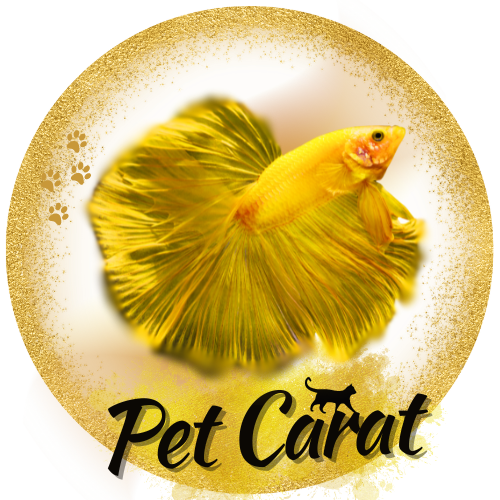
Possess two distinct tails instead of a single tail. The tails can vary in length, fullness, and shape, creating a fan-like appearance.
Out of Stock
Possess two distinct tails instead of a single tail. The tails can vary in length, fullness, and shape, creating a fan-like appearance.
Double Tail Bettas have two distinct caudal lobes (tails) split all the way to the base, giving them a unique “twin tail” appearance. They also often have broader dorsal fins and more symmetrical fin shapes overall. These Bettas are visually stunning and usually bred for show or ornamental tanks. Their bodies tend to be shorter, which can lead to swim bladder challenges.
2-4 years
Carnivorous; prefers high-quality Betta pellets or flakes, supplemented with occasional live or frozen foods.
Double Tail Bettas are a favorite for their rare beauty and symmetrical fin structure, but they require attentive care due to their delicate build. With proper handling, tank setup, and diet, they thrive and become highly interactive pets. They’re suitable for aquarists who appreciate elegance and are willing to manage their special needs.
Intermediate
3 gallons
6.5 to 7.5
5–20 dGH
76–82°F (24–28°C)
2.5 to 3 inches
Ember Tetras, Rasboras, Corydoras, Mystery Snails, Shrimp (monitor closely)
Other male Bettas, Fin-nipping species like Tiger Barbs or Guppies
Betta splendens
Belontiidae
Thailand, Cambodia, Vietnam, Malaysia
Aggressive (especially males); females are semi-aggressive
Feed 2–3 times per day. Use floating Betta pellets as the main diet. Supplement with bloodworms or brine shrimp. Avoid overfeeding due to risk of bloating and swim bladder issues.
Bubble nest builder; male tends to nest and fry
Double Tail Bettas require careful breeding due to genetic fragility. Use a breeding tank with soft filtration and floating cover. Condition both sexes on protein-rich food. Males build bubble nests; introduce female in a see-through container first. If receptive, release her and observe spawning. Remove her after egg-laying. The male guards the nest. Fry hatch in 36–48 hours and should be fed infusoria initially. Watch for deformities due to inbreeding and short-bodied genetics.
pH: 6.5–7.5, Temperature: 76–82°F, Hardness: 5–20 dGH, Ammonia: 0 ppm, Nitrates: <20 ppm
Fin rot, ich, velvet, constipation, and swim bladder disorder (more common due to shorter body shape). Prevent with pristine water and varied, controlled diet.
Can be aggressive, especially towards other male Betta fish. Best kept alone or in a species-specific setup.
Double Tails are gentle toward humans but aggressive toward rivals. They are highly intelligent, recognize owners, and often interact at the glass. Their larger fins make them more vulnerable to damage, so tank mates should be selected with caution. They thrive best in low-flow, decorated tanks with caves and plants. Avoid mirrors or reflections to reduce stress from flaring.
The Double Tail Betta, with its unique bifurcated tail and elegant posture, is a symbol of artistic beauty in the aquarium world. Bred specifically for their form and symmetry, they captivate both hobbyists and breeders. Their short bodies, while visually appealing, can result in swim-related complications, requiring attention to diet and tank flow. These Bettas enjoy gentle interaction, quiet tanks, and soft surfaces. Whether kept alone or bred for refinement, Double Tails are a refined choice for Betta enthusiasts who value both aesthetic and personality.