
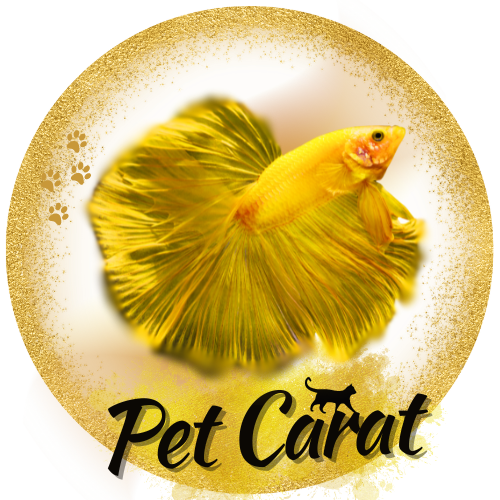
Display characteristics of both Veiltail and Crowntail Bettas. Have long, drooping fins with elongated spikes along the edges.
Out of Stock
Display characteristics of both Veiltail and Crowntail Bettas. Have long, drooping fins with elongated spikes along the edges.
The Combtail Betta features fins that are slightly fringed or spiked at the edges, resembling the teeth of a comb—hence the name. It is a hybrid between traditional veil tails and crowntails. The combtail effect gives them a distinct but not overly exaggerated fin appearance, making them easier swimmers than crown tails yet more dramatic-looking than veiltails.
2-4 years
Carnivorous; prefers high-quality Betta pellets or flakes, supplemented with occasional live or frozen foods.
Combtail Bettas offer a striking balance between visual appeal and manageability. Their fins are expressive without being overly fragile, and they’re generally hardier than extreme tail types. With the right environment and diet, they can be both beautiful and engaging pets. They’re great for intermediate aquarists who want an ornamental fish without the extreme care needs of Feather or Rosetail Bettas.
Moderate
5 gallons (19 liters)
6.5 to 7.5
5–20 dGH
76–82°F (24–28°C)
2.5 to 3 inches
Peaceful bottom dwellers (Corydoras, Kuhli Loaches), Nerite Snails, Ember Tetras (with caution and space)
Other male Bettas, Guppies, Gouramis, Barbs, Cichlids, Fin-nippers
Betta splendens
Belontiidae
Southeast Asia (selective breeding)
Aggressive, especially males; solitary by nature
Feed 1–2 times daily with high-protein Betta pellets. Supplement diet with frozen or live treats (daphnia, bloodworms) at least 3–4 times a week. Avoid overfeeding as they are prone to bloating. Remove uneaten food to prevent water fouling.
Bubble nest builder; male guards eggs; female must be removed after spawning
Breeding Combtail Bettas involves selecting a healthy male and female. The male builds a bubble nest and initiates the mating ritual. After embracing the female and fertilizing the eggs, she should be removed immediately. The male will guard and tend the nest until the fry hatch. Combtail genetics can be mixed, so not all offspring may inherit the desired fin structure unless bred carefully.
Maintain stable conditions with pH 6.5–7.5, temperature 76–82°F, hardness 5–20 dGH. Ensure gentle filtration and avoid creating strong currents that could stress or injure their fins. Weekly 20–30% water changes are essential.
Combtail Bettas, like other long-finned types, are vulnerable to fin rot and tears if kept in dirty water or with sharp objects. Stress from overexposure to aggressive tank mates or fast currents can also weaken their immune system. Look out for white edges on fins or lethargy as early signs of illness.
Can be aggressive, especially towards other male Betta fish. Best kept alone or in a species-specific setup.
Combtail Bettas are visually stunning and interactive. They flare at reflections, recognize their owners, and patrol their territory with pride. Males are dominant and highly territorial, especially around other males or similar finned species. Females are somewhat more tolerant but still territorial.
The Combtail Betta stands out as a perfect middle ground between ornamental flair and practical care. With its distinctive tail that adds visual punch without the burden of ultra-long fins, it allows for more agile swimming and lower risk of fin injury. If you’re looking to add elegance to your aquarium without overcommitting to high-maintenance breeds, the Combtail is a top contender. Just remember—peaceful surroundings, consistent care, and a bit of admiration go a long way with this captivating fish.