

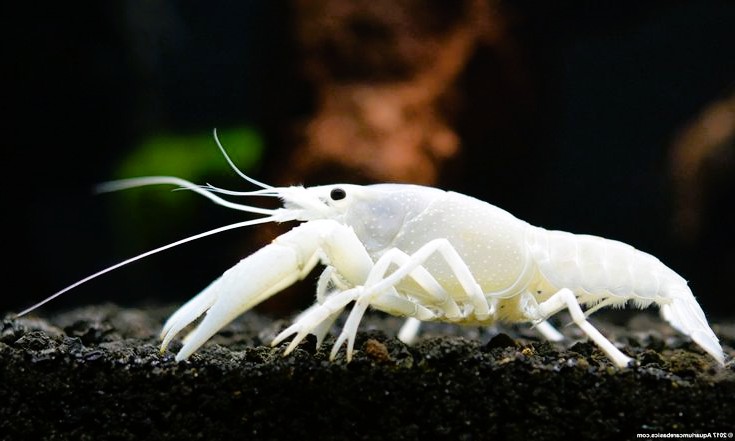
White Crayfish are rare and striking freshwater crustaceans known for their bright, pearly white to translucent coloration. Often considered a leucistic or selectively bred variant of the common crayfish, they stand out as ornamental showpieces in aquariums and ponds.
Out of Stock
White Crayfish are rare and striking freshwater crustaceans known for their bright, pearly white to translucent coloration. Often considered a leucistic or selectively bred variant of the common crayfish, they stand out as ornamental showpieces in aquariums and ponds.
Pearl-white to bright snow-colored exoskeleton with large claws and a segmented abdomen. Some may display a translucent body under bright light. Their striking appearance makes them stand out dramatically in planted or dark-substrate aquariums.
2–5 years in captivity, depending on care and environment
Omnivorous scavenger — enjoys sinking pellets, algae wafers, blanched vegetables (zucchini, spinach, peas), and protein-rich foods like shrimp, bloodworms, or earthworms. Calcium-enriched foods support strong shell development.
White Crayfish are a stunning, unique addition for aquarists seeking something beyond traditional aquarium invertebrates. Their beauty and curiosity make them captivating, but their territorial and opportunistic behavior requires careful planning. Ideal for display tanks or species-only setups with plenty of hiding spots.
Intermediate — hardy but requires careful tank setup, stable water parameters, and protection during molting.
30 gallons for one adult; larger tanks required for multiple crayfish to reduce aggression
6.5 to 8.0
6–15 dGH
65–80°F (18–27°C)
4–6 inches (10–15 cm) in captivity
Fast mid-to-surface swimmers like danios, barbs, or larger tetras. Avoid small invertebrates and bottom dwellers.
Small shrimp, slow-moving fish, small bottom dwellers, or delicate long-finned species. They may be attacked or eaten, especially at night or when the crayfish is hungry.
Procambarus sp.
Cambaridae
Selective breeding of crayfish species in captivity, with some natural variants found in North America
Solitary and territorial. Conspecific aggression is common unless housed in very large tanks with abundant hiding spaces.
Feed once daily with high-quality sinking pellets or crayfish-specific diets. Supplement with blanched vegetables and protein treats. Offer cuttlebone or calcium blocks regularly to strengthen exoskeletons.
Breeds readily in captivity when conditions are right. The female carries eggs under her tail (pleopods) until they hatch, protecting the young until they become free-swimming.
Condition crayfish with a protein-rich diet. During mating, the male deposits sperm packets that the female uses to fertilize eggs. Eggs are attached under the female’s tail and hatch in 2–4 weeks, depending on temperature. Fry remain attached to the female until they are free-swimming. Provide hiding spaces and separate juveniles to increase survival rates.
pH: 6.5–8.0, Temperature: 65–80°F (18–27°C), Hardness: 6–15 dGH, Ammonia/Nitrite: 0 ppm, Nitrate: <40 ppm. Requires strong filtration and oxygenation.
Molting problems, shell rot, parasitic infestations, and injuries from fights. Copper-based medications are toxic to crayfish. Ensure calcium-rich diets and pristine water quality to reduce health risks.
Semi-aggressive and territorial. They will scavenge actively and may attack or eat slow or small tankmates, especially at night or after molting.
Active, curious, and territorial. They often dig burrows, rearrange tank decorations, and explore constantly. Primarily nocturnal but may adapt to daytime activity. After molting, they become reclusive and require hiding spaces until their new shell hardens.
White Crayfish (Procambarus sp.) are highly sought after for their unique coloration, ranging from pearl-white to snow-like shades, often with a slight translucence. Their rarity and striking appearance make them prized additions to aquariums. They are hardy, active scavengers that help clean the tank by consuming leftover food and detritus. Crayfish need hiding places such as caves, PVC pipes, and rocks, especially during molting, when they shed their exoskeleton and are vulnerable to predators. They are opportunistic and may prey on small fish, shrimp, or weak tankmates. Good filtration, stable water conditions, and a secure tank lid are essential as crayfish are known escape artists. Providing calcium is critical to maintaining a healthy, strong exoskeleton. White Crayfish are best suited for single-specimen tanks or carefully planned communities.